Second Melbourne RSL Fire: Waverley Blaze Sparks Safety Review
Melbourne has been shaken by a troubling spate of incidents, with two RSL clubs ravaged by fire in quick succession. The latest, a devastating early morning blaze at the Waverley RSL club in Glen Waverley, has not only caused extensive damage but also ignited a crucial conversation about fire safety protocols in community establishments across the city. This incident, just days after a similar tragedy at the Sunshine RSL, underscores the urgent need for comprehensive safety reviews, especially concerning high-risk areas like commercial kitchens.
Early reports suggest the Waverley RSL fire may have originated in the kitchen area, raising immediate concerns about the specific vulnerabilities of these busy spaces. While investigations are ongoing and both fires are not considered suspicious at this stage, the repeated occurrences are a stark reminder that even accidental fires can have catastrophic consequences for treasured community hubs.
The Inferno at Waverley: A Community Asset Under Siege
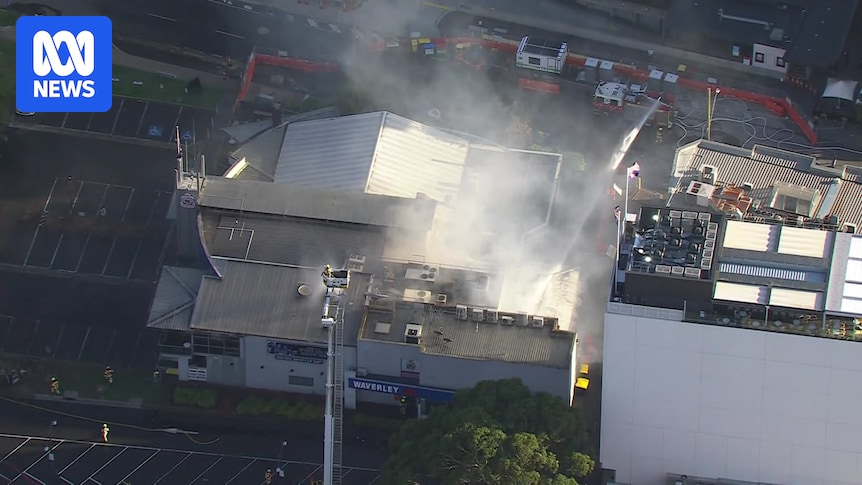
The serenity of Glen Waverley was shattered around 7:10 AM when multiple calls flooded Triple Zero, reporting thick smoke billowing from the beloved Waverley RSL club on Coleman Parade. Emergency services were immediately dispatched, with more than two dozen fire trucks and crews converging on the scene. Firefighters arriving within minutes were met with an intense blaze, compelling them to deploy aerial appliances to fight the inferno from above, illustrating the sheer scale of the emergency.
Visual footage from the scene painted a grim picture: parts of the roof had succumbed to the intensity, collapsing into the structure. This rapid and severe destruction highlights the ferocity of the fire. In a stroke of immense good fortune, police confirmed that the building was unoccupied at the time, preventing any injuries or loss of life—a small comfort amidst significant loss.
Fire Rescue Victoria (FRV) indicated that preliminary investigations point towards the rsl kitchen blaze as the suspected origin point. This area, often bustling with activity, is a common source of commercial fires due to the presence of cooking equipment, oils, and electrical systems. For approximately two hours, firefighters battled relentlessly to bring the situation under control. While they succeeded, a smoky aftermath enveloped the Glen Waverley area, prompting advisories for local residents to keep windows closed and roads clear for ongoing emergency operations. For more details on the initial response, read: Glen Waverley RSL Devastated by Fire: Community Support Needed.
Beyond the Flames: Impact and Community Resilience
The damage to the Waverley RSL Sub-Branch is extensive, described by RSL Victoria as "devastating for all at Waverley RSL, and all veterans in the local community." The club promptly communicated with its members via social media, announcing its closure for the foreseeable future and promising updates as further information becomes available. This closure leaves a significant void, as RSLs are not just venues but vital community anchors, providing support, camaraderie, and a sense of belonging, especially for veterans.
Despite the physical destruction, there was a concerted effort to preserve what truly matters. Fire Rescue Victoria crews were able to save some "significant memorabilia," a poignant testament to the club's history and the sacrifices it represents. RSL Victoria and the Waverley RSL are now focused on ensuring that their veteran community continues to access essential support, advising them to contact the Box Hill RSL Sub-Branch in the interim. Staff affected by the closure will also receive support through RSL Victoria's Employment Assistance Program.
The emotional toll on members, staff, and the wider community is palpable. RSL clubs are repositories of shared memory and ongoing service, and their loss, even temporary, resonates deeply. The resilience of these communities, however, is a powerful force, and there's no doubt efforts will soon turn to rebuilding and recovering.
Preventing the `RSL Kitchen Blaze`: Common Hazards and Practical Solutions
The suspected origin of the Waverley RSL fire in the kitchen casts a spotlight on one of the most common and dangerous sources of commercial fires. Kitchens in high-traffic establishments like RSLs are inherently high-risk environments due to a combination of factors:
- Grease Accumulation: Commercial kitchens generate significant amounts of grease, which can build up in exhaust hoods, ducts, and on cooking surfaces. Grease is highly flammable and can ignite easily, leading to fast-spreading fires.
- High Temperatures: Ovens, deep fryers, stovetops, and griddles operate at extreme temperatures, posing an ever-present ignition risk.
- Electrical Equipment: Numerous appliances, often running for long hours, increase the potential for electrical faults, frayed wiring, or overloaded circuits.
- Human Error: Distraction, improper use of equipment, leaving cooking unattended, or incorrect disposal of hot materials can quickly lead to an emergency.
- Flammable Materials: Cleaning chemicals, packaging, and linens stored too close to heat sources can act as fuel for a nascent fire.
Practical Prevention Strategies for Commercial Kitchens:
To mitigate the risk of an `rsl kitchen blaze` and similar incidents, RSLs and other hospitality venues should implement rigorous fire safety protocols:
- Regular Deep Cleaning: This is paramount. Ensure professional cleaning of exhaust hoods, ductwork, fryers, and cooking surfaces is performed frequently to remove grease buildup.
- Equipment Maintenance: All cooking appliances, electrical systems, and ventilation equipment should undergo regular inspection and maintenance by qualified professionals. Promptly repair or replace faulty equipment.
- Staff Training: Comprehensive training for all kitchen staff on fire prevention, the correct use of fire extinguishers (including the appropriate type for grease fires, like Class K), and emergency evacuation procedures is non-negotiable.
- Proper Storage: Store flammable liquids, cleaning supplies, and paper products away from heat sources and in designated, secure areas.
- Fire Suppression Systems: Install and regularly inspect automatic fire suppression systems (e.g., wet chemical systems for fryers) and ensure manual fire extinguishers are accessible, fully charged, and staff know how to use them.
- Clear Exit Routes: Ensure all exit routes are unobstructed and clearly marked, with regular drills to familiarise staff and patrons.
- Electrical Safety: Avoid overloading power outlets. Inspect cords and plugs regularly for damage.
While the Waverley RSL incident is suspected to be a `rsl kitchen blaze`, it's worth recalling the Sunshine RSL fire, which was attributed to spontaneous combustion in a clothes dryer. This broader context highlights that fire risks extend beyond the kitchen, encompassing all operational aspects of a facility. Every piece of equipment, from laundry machines to electrical panels, requires diligent oversight and maintenance.
A Call for Enhanced Fire Safety: Lessons from Recent Incidents
The back-to-back fires at Melbourne RSLs serve as a powerful catalyst for a broader safety review across all similar community and hospitality venues. While investigators have deemed both fires non-suspicious, the scale of destruction underscores that accidental fires can be just as devastating as deliberate ones.
Key Takeaways for Enhanced Safety Protocols:
- Comprehensive Fire Safety Audits: RSLs and similar venues should conduct immediate, thorough fire safety audits by independent experts. These audits should assess everything from electrical systems and gas lines to kitchen equipment, storage practices, and emergency exits.
- Updated Fire Prevention Plans: Ensure existing fire prevention plans are up-to-date, reflecting current regulations and best practices. These plans should include detailed procedures for staff training, equipment maintenance, and emergency response.
- Investment in Modern Technology: Consider investing in advanced fire detection and suppression systems, including early warning smoke detectors, heat sensors, and automated sprinkler systems tailored to specific risks like commercial kitchens.
- Community Preparedness: While internal safety is crucial, the wider community also plays a role. Public awareness campaigns on smoke warnings, clearing roads for emergency vehicles, and knowing how to report an incident can enhance overall safety and response effectiveness.
- Inter-Club Collaboration: RSL Victoria and individual sub-branches could establish a best-practice sharing initiative for fire safety, allowing clubs to learn from each other's experiences and implement the most effective prevention strategies.
Conclusion
The fires at Waverley and Sunshine RSLs are deeply unfortunate events, particularly for the veteran communities they serve. While the immediate focus is on recovery and support for those affected, these incidents also present a critical opportunity for reflection and improvement. The suspected `rsl kitchen blaze` at Waverley serves as a potent reminder of the specific, often overlooked, dangers inherent in commercial kitchen operations. By embracing comprehensive safety reviews, investing in robust prevention measures, and fostering a culture of continuous vigilance, RSLs and other community establishments can safeguard their invaluable assets and ensure they remain safe havens for future generations. The resilience shown by these communities in the face of adversity is inspiring, and with collective effort, they will undoubtedly emerge stronger, safer, and more prepared for any future challenge.